A Journey Through Regional Flavors and Ancient Gastronomic Traditions
The cuisine of special nations has preserved the culinary antique traditions and at the same time, has enriched them with the experience of the culinary art of the other peoples. The direct geographical and historical adjacency has made it possible for them to have a significant influence on economy, culture and particularly on the lifestyle...
Albanian cuisine embodies a rich tapestry woven from ancient Illyrian roots, Ottoman influences, and Balkan neighbors, preserving natural flavors while embracing diverse ingredients shaped by the country's fertile climate. As a crossroads between East and West, Albania boasts an abundance of vegetables like tomatoes, peppers, eggplants, beans, cabbage, onions, and garlic, often fried, boiled, or baked to highlight their freshness. Fruits such as apples, cherries, peaches, pears, watermelons, figs, grapes, lemons, and oranges feature prominently fresh, in jams, juices, or desserts, while olives, from Berat's table varieties to Vlorë's oil-rich groves, serve as staples and cooking essentials.
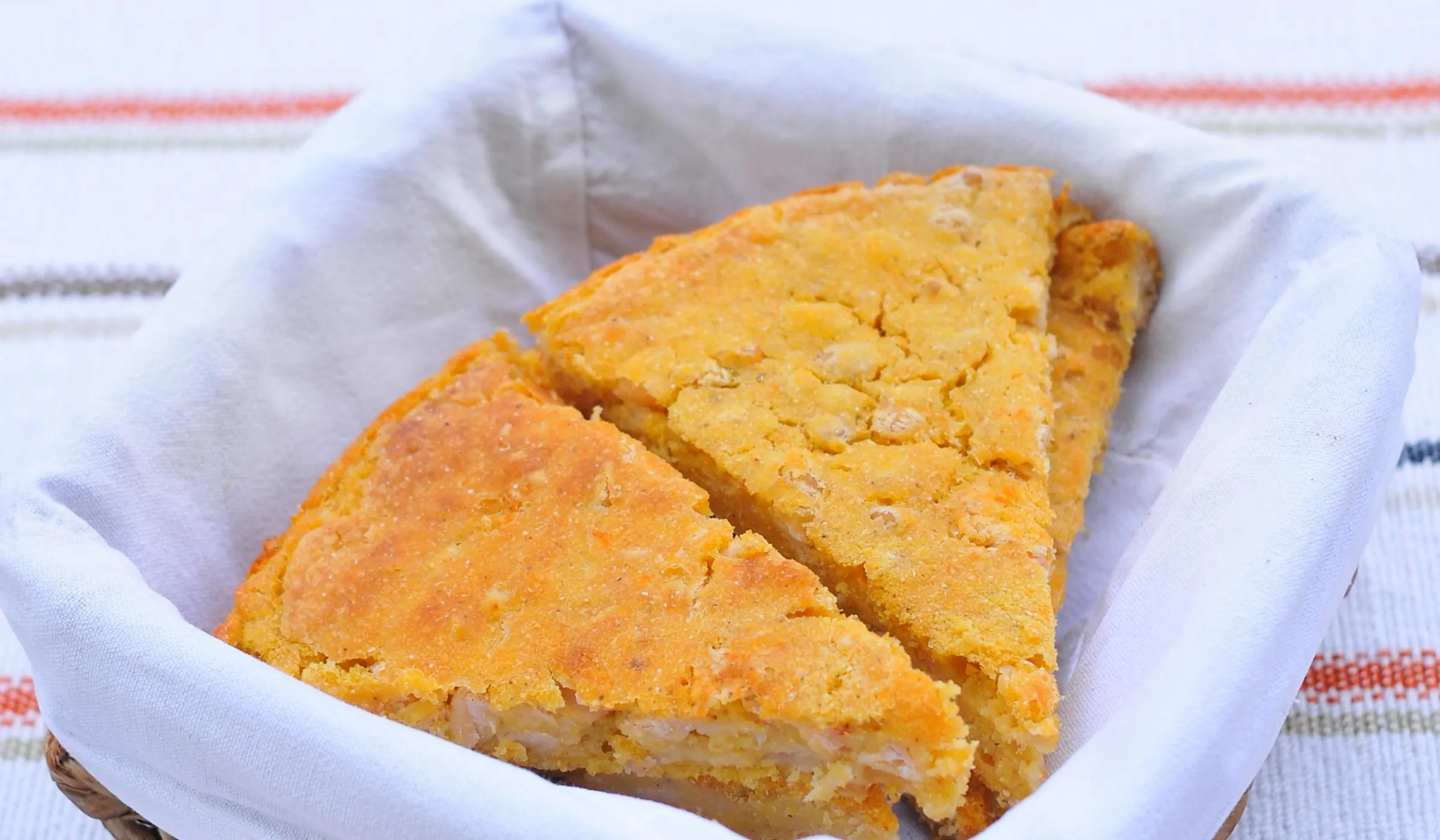
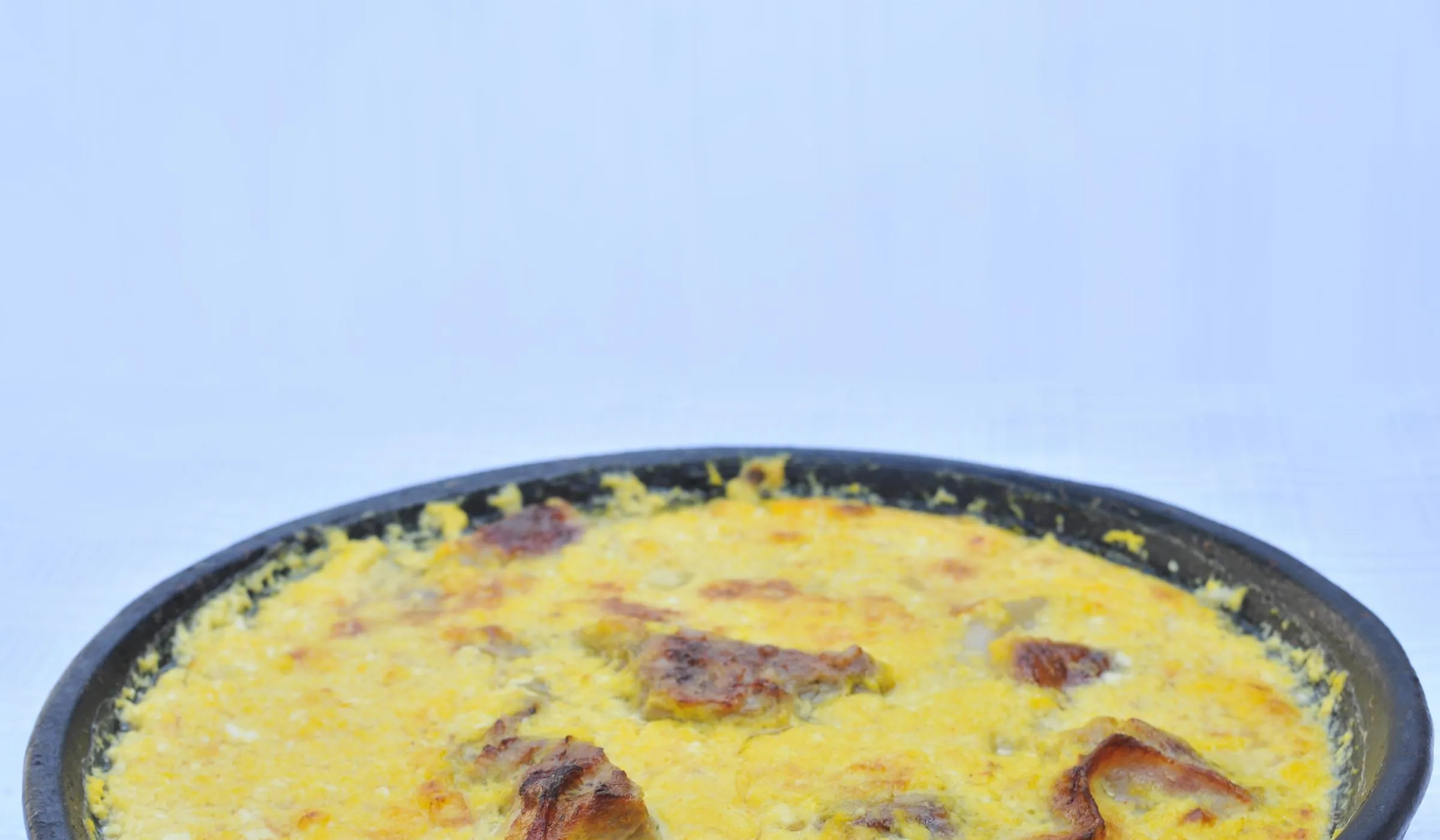
Regional diversity defines Albanian gastronomy, starting in the North where cold climates inspire preserved foods like pasterma (dried meat), stuffed intestines, trahana, and jufka for winter sustenance. Corn flour stars in hearty dishes such as harapash or memlik with lamb, qeshqek with chicken, and sweet qumshtor, alongside Shkodra specialties like corba shkodrane stew and lake-fresh carp or eel. Middle Albania's Myzeqe plain thrives on diverse livestock including turkey with pershesh (cornbread stock), Elbasani tavë kosi (lamb-yogurt casserole), and fried cheese, with desserts like ballokume cookies baked for Summer Day celebrations on March 14.
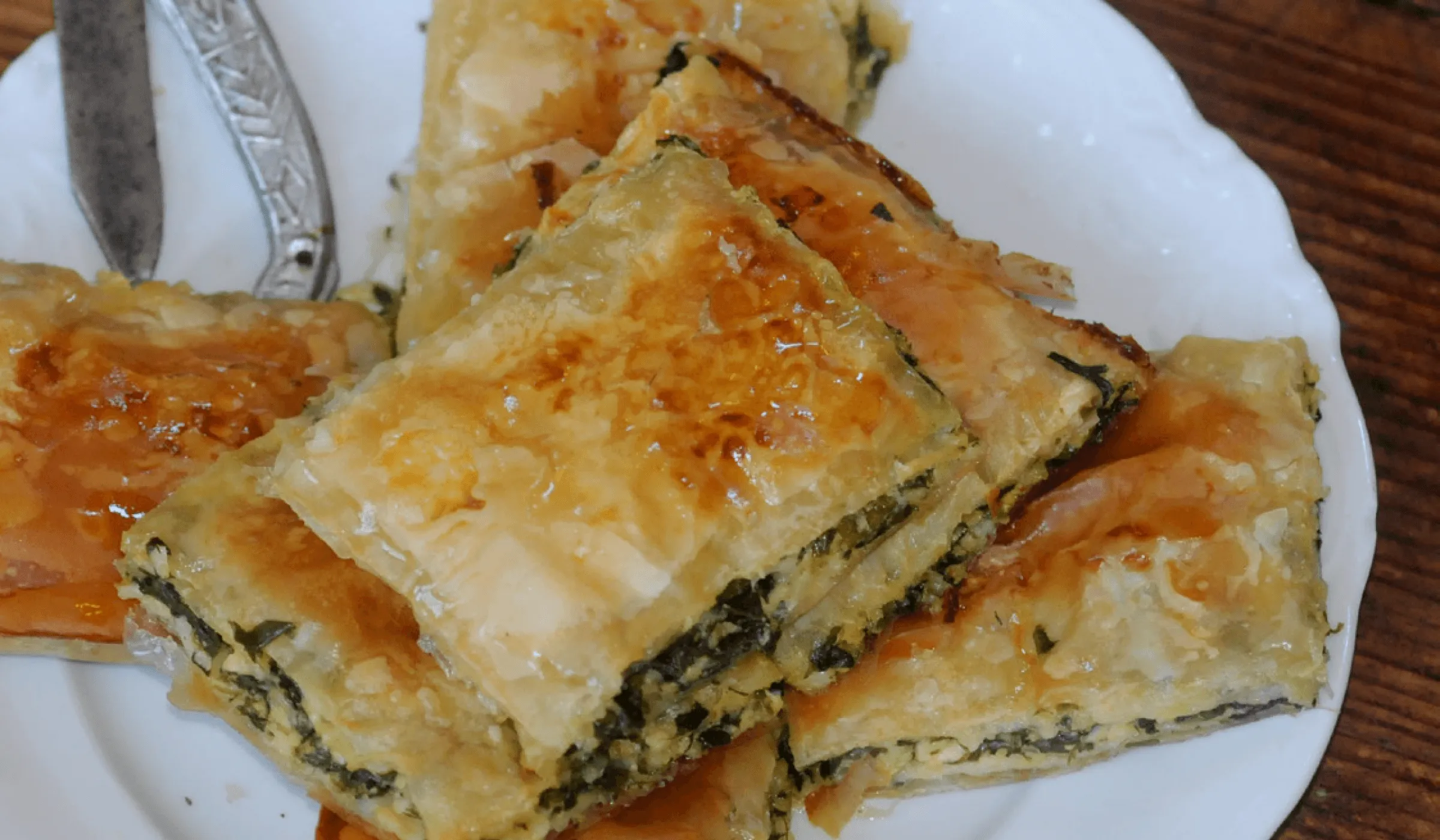
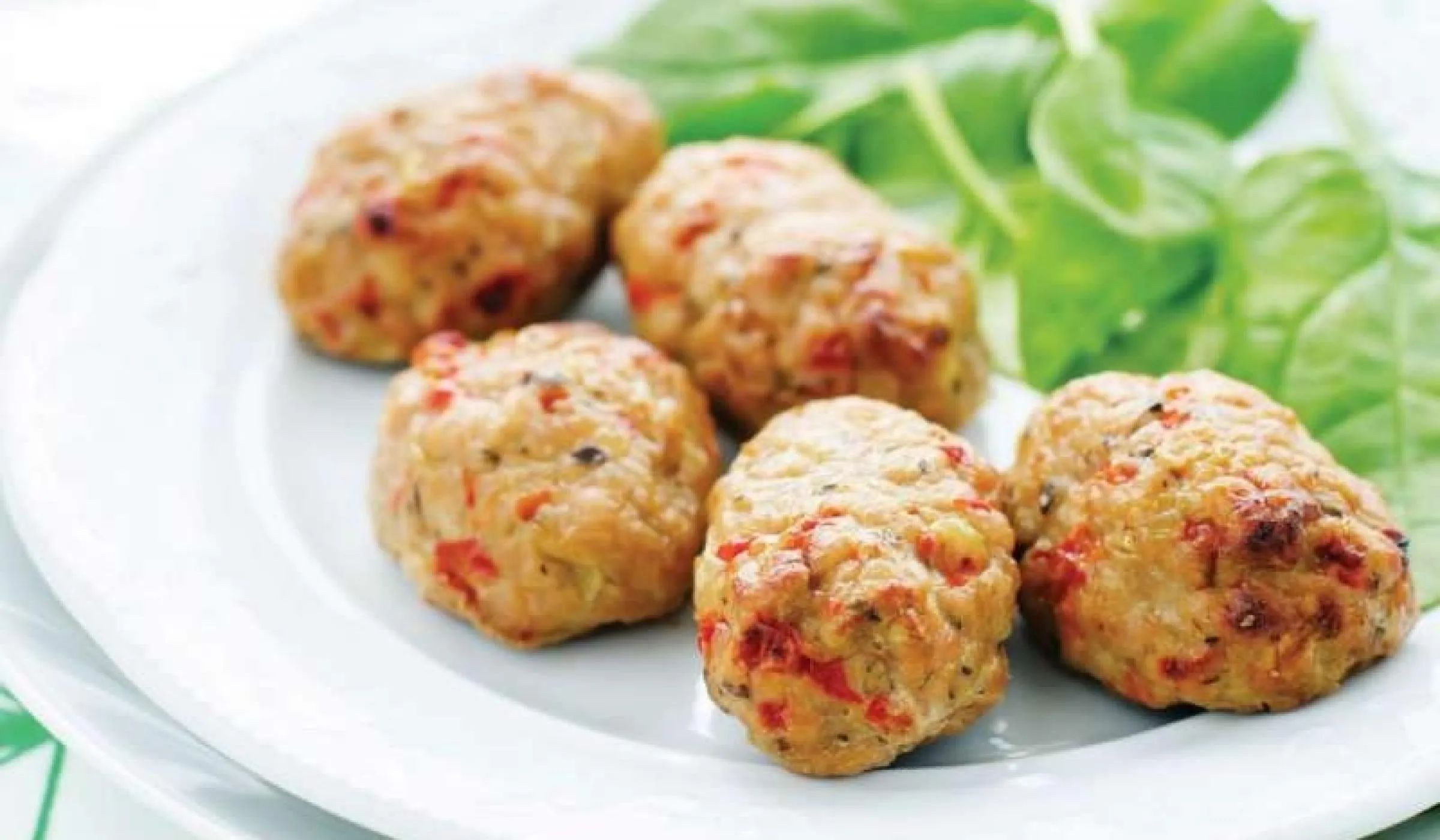
Southern Albania shines with dairy prowess from sheep and goat milk, yielding prized white cheese, compact yogurt sliced like cake, and cottage cheese in savory pies. The Riviera dazzles seafood lovers with just-caught shrimp, cuttlefish, squid, and mussels, while Llogara Pass taverns offer ember-roasted lamb, harapash entrails, and honey-nut jelly. Vegetarian delights include qifqi rice balls fried crisp, Lunxhi koftopite bean pies, rosnice dough drops, and Gjirokastra's fake meatballs with garlic yogurt for wedding digestion.
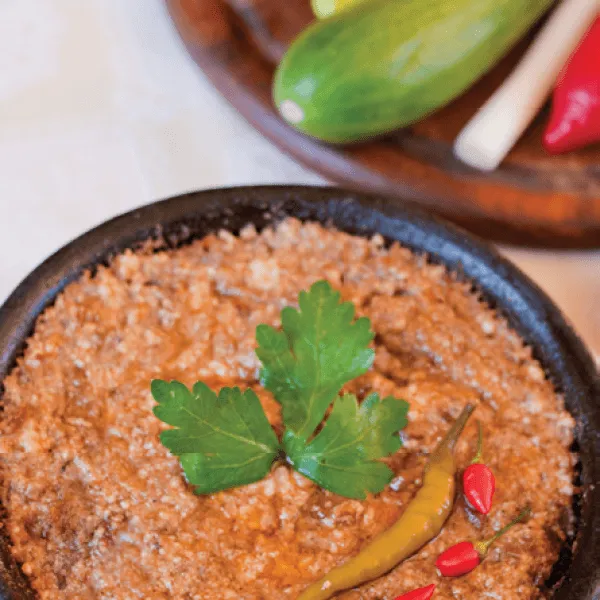
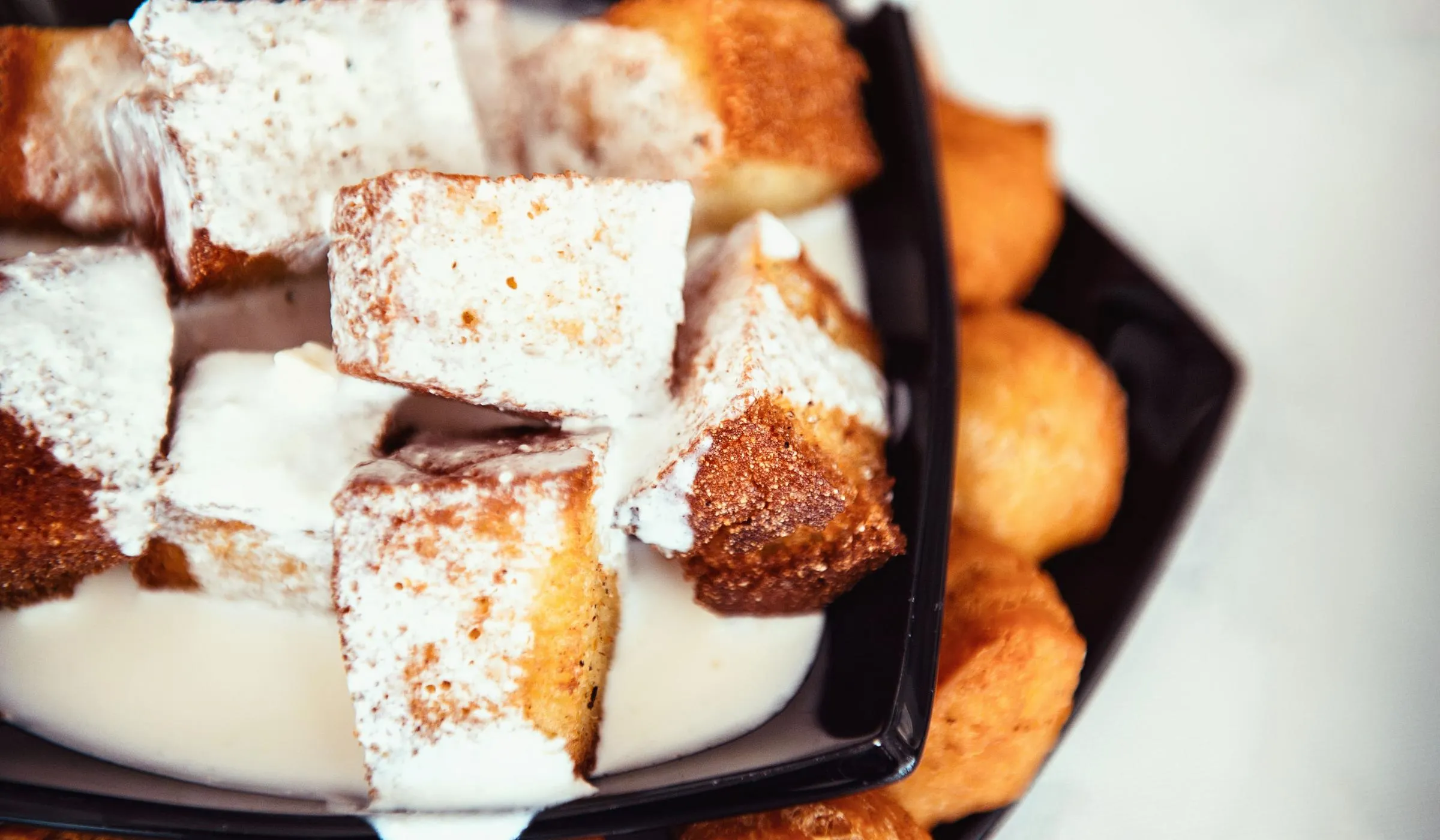
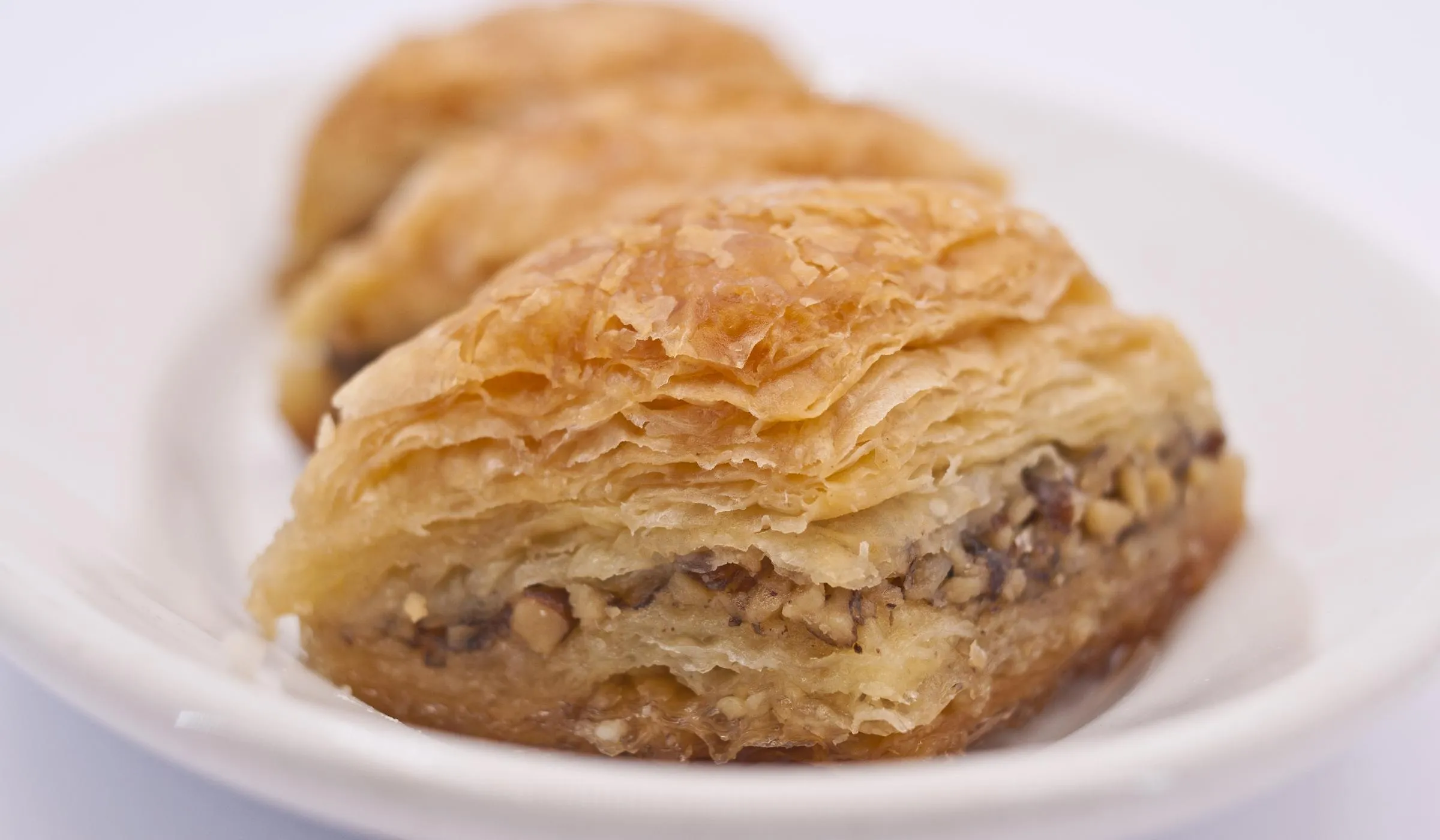
Seasonings elevate every dish with hot peppers, garlic, lemon, vinegar, yogurt, and aromatic herbs like parsley, spearmint, dill, bay leaves, basil, and rosemary, used sparingly to harmonize rather than overpower natural tastes. Dairy products like yogurt, dhalla yaran (buttermilk), and regional cheeses provide daily nutrition, while desserts range from milk-based baklava, sheqepare, kadaif, and revani to halva, hasudja, and northern boza, a refreshing corn drink. Fruits and nuts like almonds and hazelnuts sweeten the menu year-round.
Albania's viniculture traces back three millennia to Illyrian exports to Rome, with today's reds like Shesh i Zi, Kallmet, Pino Nero, and Mavrud alongside whites such as Shesh i Bardhë and Riesling from regions like Tirana, Berat, Shkodra, and Pogradec. Raki (grape) or mulberry brandy from Skrapar, Përmet, and Erseke, reigns as the national spirit, joined by plum shliva wines from colder zones and award-winning Konjaku Skenderbeg. This culinary heritage, from artisanal preserves to Riviera feasts, invites travelers to savor Albania's hospitable table where tradition meets bountiful nature.
Gallery