Albania's Vibrant Folklore Festivals & Celebrating Ancient Sounds Across the Nation
Experience Albania's soul-stirring folklore festivals from Gjirokastra Castle's epic gatherings to Vlora's UNESCO iso-polyphony, showcasing traditional music, dances, and costumes that unite communities and captivate global visitors.
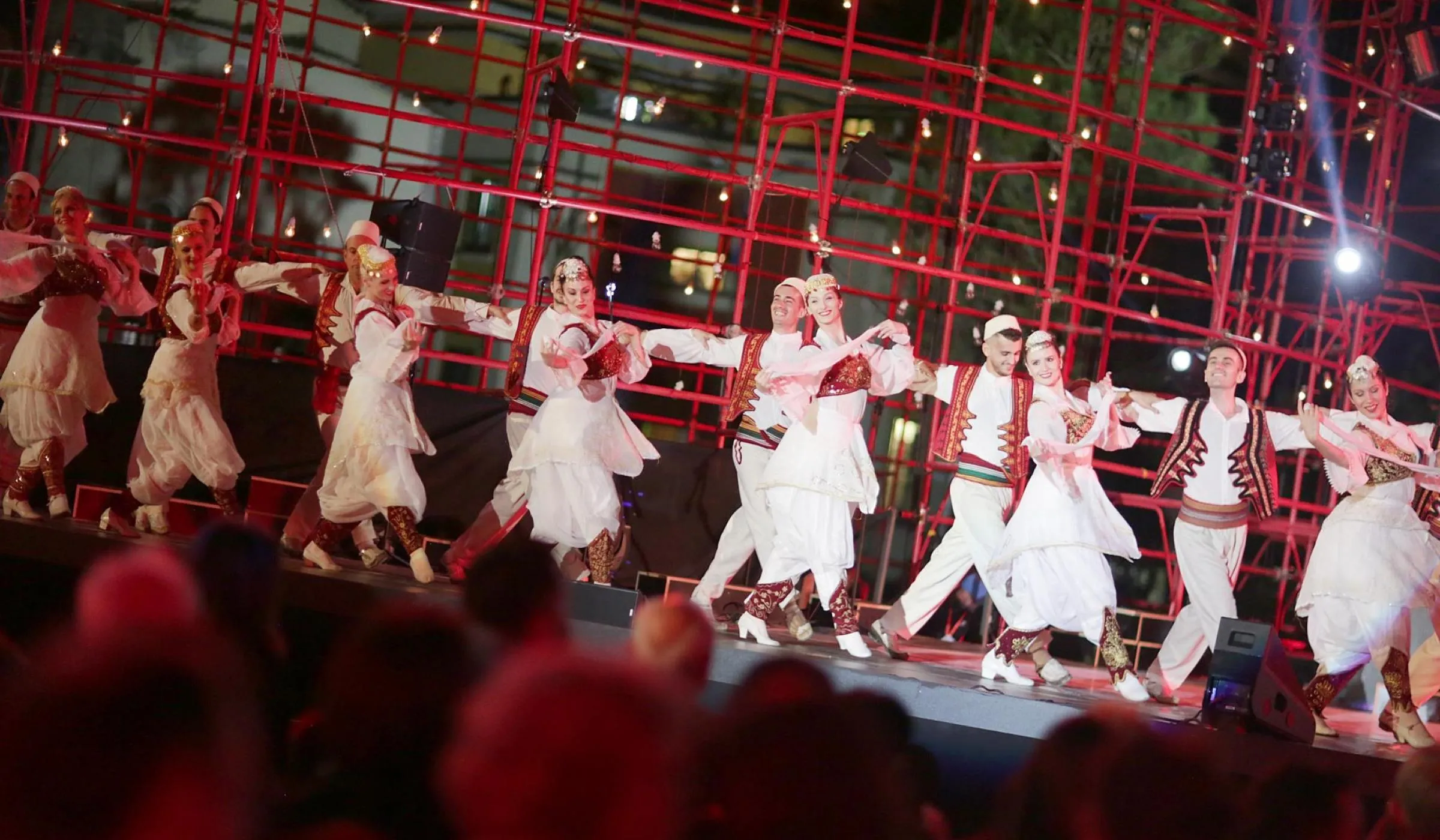
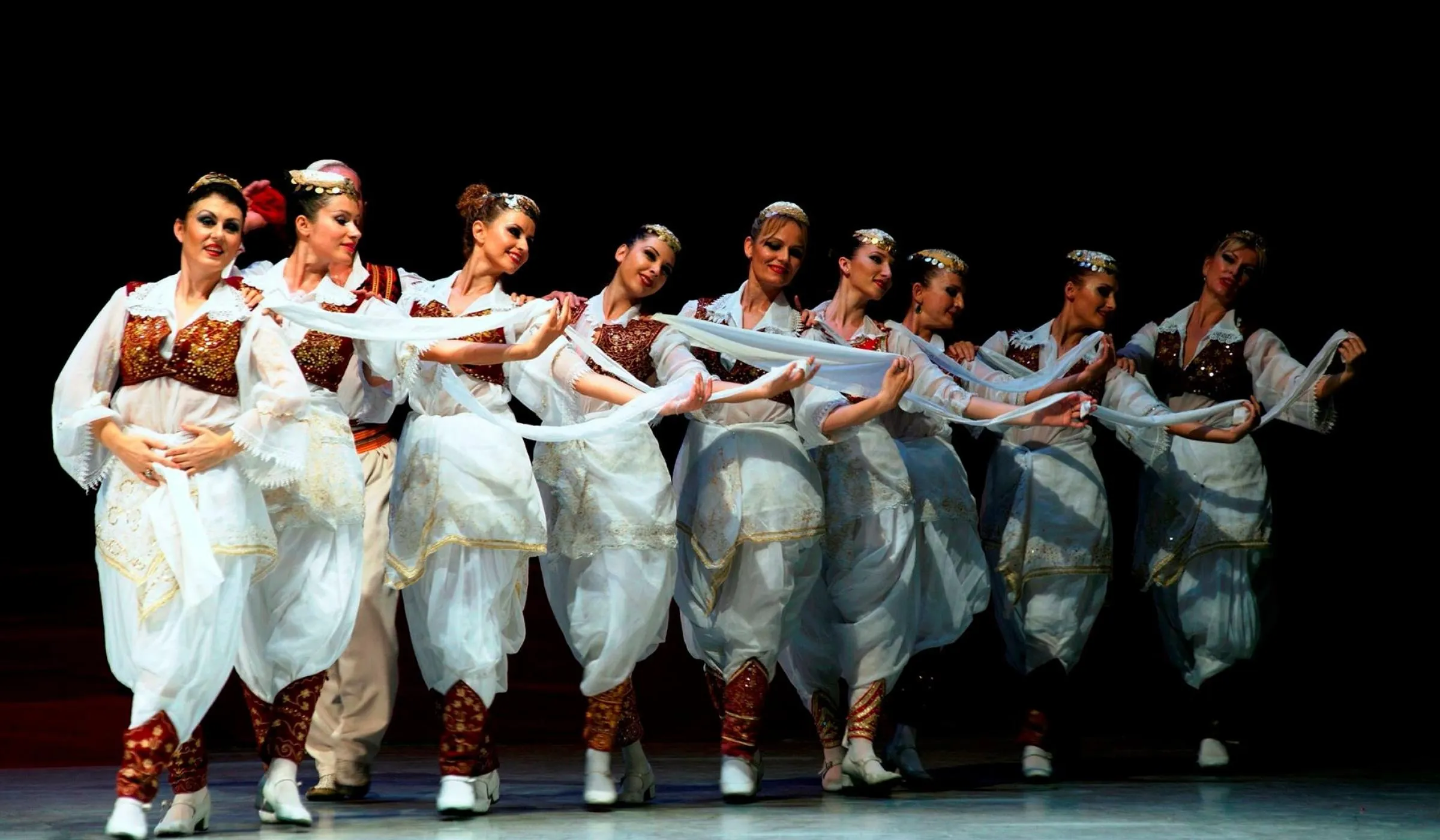
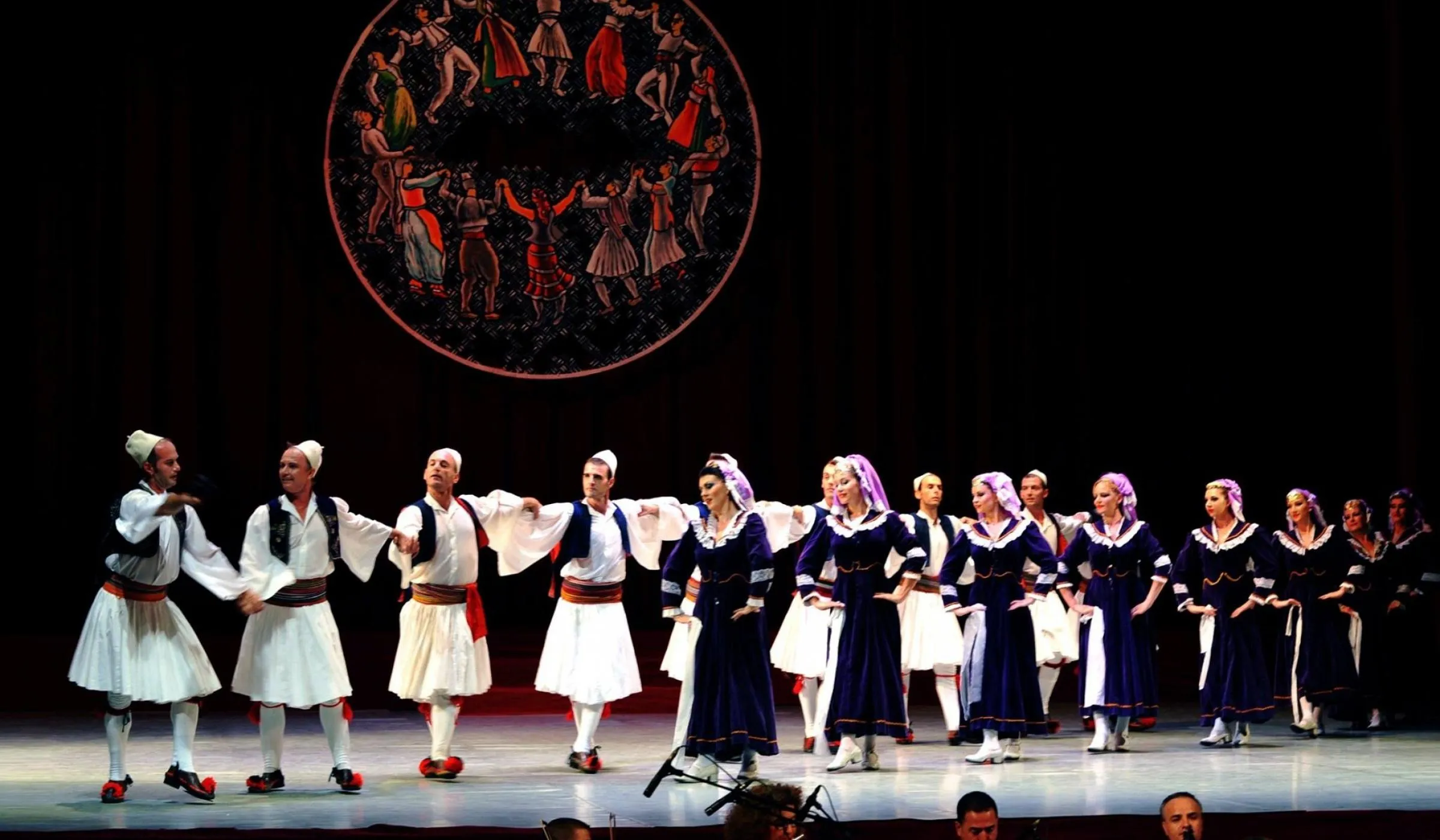
Albania's folklore festivals represent the beating heart of its cultural identity, drawing thousands to stone castles, mountain squares, and seaside promenades where ancient traditions explode into life. The crown jewel, the National Festival of Folklore held every four years in Gjirokastra Castle, unites Albanian groups from Kosovo, Montenegro, Macedonia, Italy's Arbëreshë communities, Turkey, the United States, Greece, and beyond in a spectacular clash of costumes, dances, and polyphonic songs that echo off 15th-century walls. International guests and folkloric ensembles from around the world join this multicultural celebration, turning the UNESCO city's historic core into Europe's most authentic living museum of Balkan heritage.
Southern Albania pulses with specialized music festivals that showcase regional sounds passed down through generations. The "National Typology Festival of Saze and Folk Orchestras" in Korça celebrates the haunting Albanian clarinet (saze), played across urban centers like Vlora, Pogradec, Përmet, Berat, and Leskovik, where masters improvise soulful melodies blending Ottoman influences with mountain rhythms. Up north in Lezha, the "National Festival of Rhapsodists and Folk Instrument Players" honors bardic tradition through single-string lahuta, çifteli, and sharki instruments, as northern rhapsodists weave epic tales of Skanderbeg and highland feuds in marathon performances that mesmerize audiences under summer stars.
Urban folk music finds its stage at Elbasan's "National Festival of Urban Folk Songs," held every March during the city's traditional spring celebration. Here, regional groups compete with modernized arrangements of central Albanian melodies, creating fresh sounds that bridge village traditions with contemporary orchestration, perfect for visitors seeking accessible entry into Albanian folk without needing years of cultural immersion. Meanwhile, Vlora's “National Festival of Iso-Polyphony”, showcasing Albania's UNESCO-recognized "Masterpiece of Oral Heritage, features throat-singing harmonies from southern regions, preserving this primal vocal art while inspiring young singers to carry it into the future.
Gjirokastra hosts dual celebrations, with the "National Festival of Folk Instruments" filling the castle with rare stringed and wind instruments alongside book fairs, seminars, and artisan markets that boost cultural tourism. In Përmet, the "International Festival Multicultural Përmet" under CIOFF patronage unites ethnic minorities in a peace-promoting spectacle, featuring masters like Laver Bariu alongside global folk groups amid symposiums and workshops. Northern festivals like Tropoja's "Sofra Dardane" blend Valbona Valley scenery with Kosovo-Albanian ethnography, while Peshkopi's "Oda Dibrane" delivers humorous dances, ancient rites, and comedy accompanied by traditional instruments, complemented by art exhibitions.
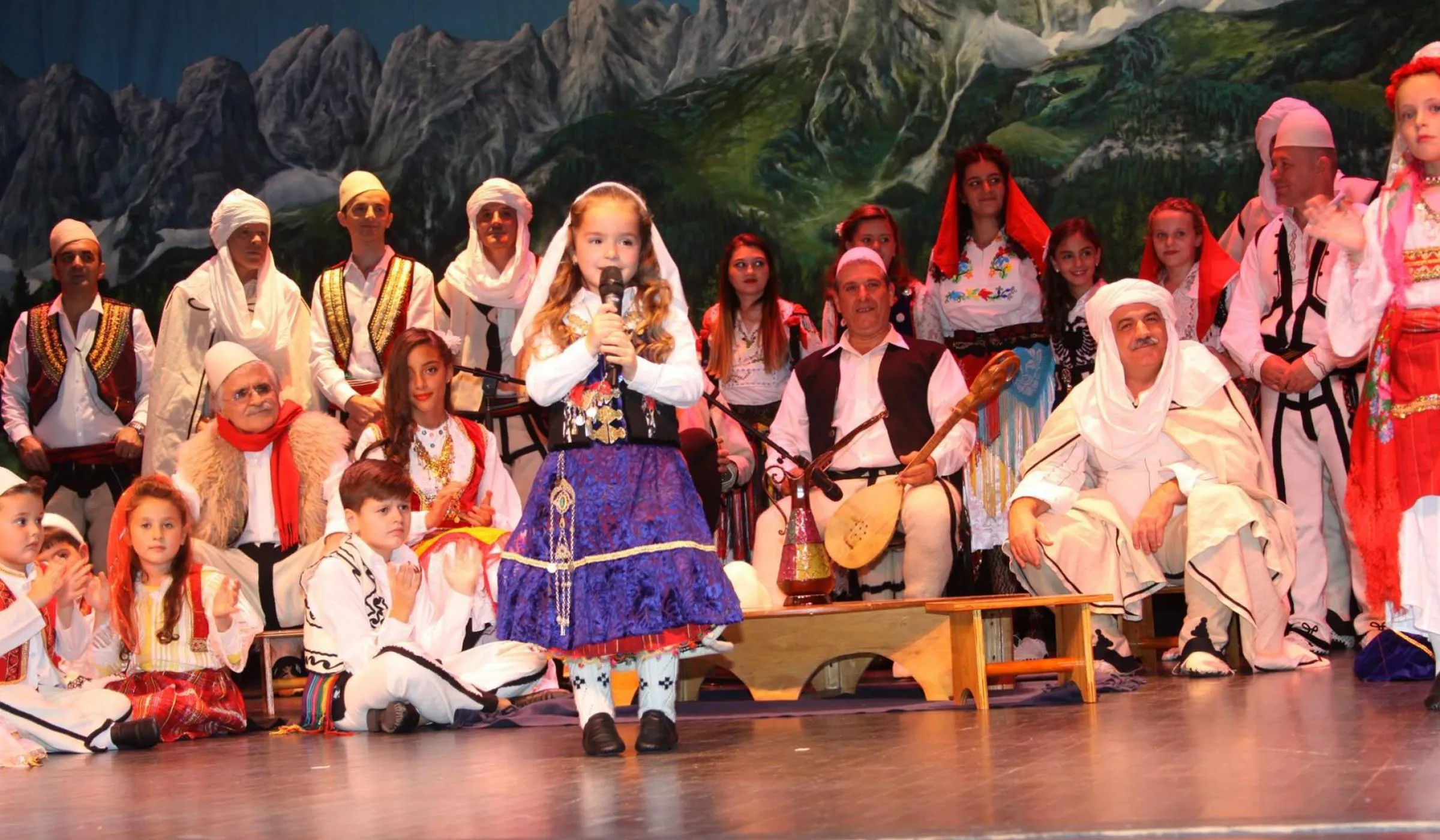
Even beauty and ritual shine through folklore, as Malësi e Madhe's "Beauty Folklore Contest Logu i Bjeshkeve" revives Kelmendi's ancient church ceremonies where brightly dressed women compete in colorful traditional costumes after holy services, launching festive dances called "the dance of Logu." These diverse gatherings, from alpine valleys to Adriatic coasts, reveal Albania's extraordinary cultural mosaic, where every festival offers visitors hands-on immersion through dancing with locals, tasting regional raki, and witnessing traditions that have survived centuries of empire and isolation, proving Europe's most vibrant folk scene thrives right here in the Balkans' beating heart.
Gallery